How to Use a Dining Table for More Than Dinner Without Losing It
A few resets keep a hardworking table ready for meals, homework and quiet projects.
The most useful home changes usually begin with a specific friction point. Notice the moment that asks too much of you: the drawer that collects everything, the chair that blocks a route, or the small task that keeps getting postponed. That is the part worth improving first.
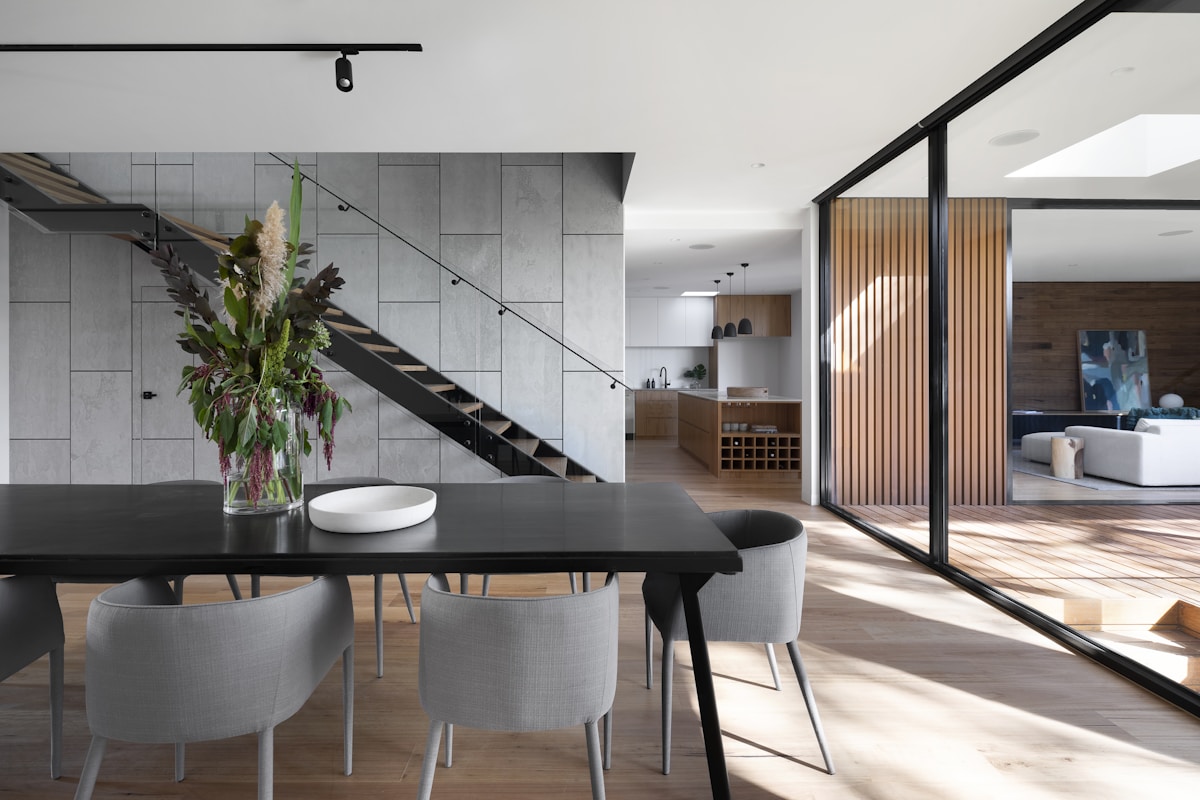
Instead of trying to refresh every corner at once, keep the aim deliberately narrow. A workable plan gives the room a little more capacity and makes the next action obvious. It should still look reasonable on an ordinary Tuesday, not only in a styled photograph.
Make one clear decision before adding another thing
Measure the space, check the path through it and decide what the piece or routine must do. That short pause prevents a surprising number of purchases and projects from becoming extra clutter. A useful object should make the room simpler to use, store or care for.

Keep it easy to repeat
Good systems are visible enough to remember and forgiving enough to survive a busy week. Put the basket near the door, keep the cloth where the spill happens, or give the charging cable a clear home. The solution does not need to be dramatic to make a noticeable difference.
Revisit the change after a few days. If it still gets used without a reminder, it is probably doing the work it was meant to do. If it creates another awkward step, revise it while the room is still easy to read.
COURSLYST NOTE
Our guides are editorial. Some pages may link to relevant third-party products or services; see our affiliate disclosure for how that works.