Option A vs Option B: Which Should You Choose?
A practical head-to-head comparison of Option A and Option B, covering quick verdict, key differences, category winners, buyer fit, and FAQ.
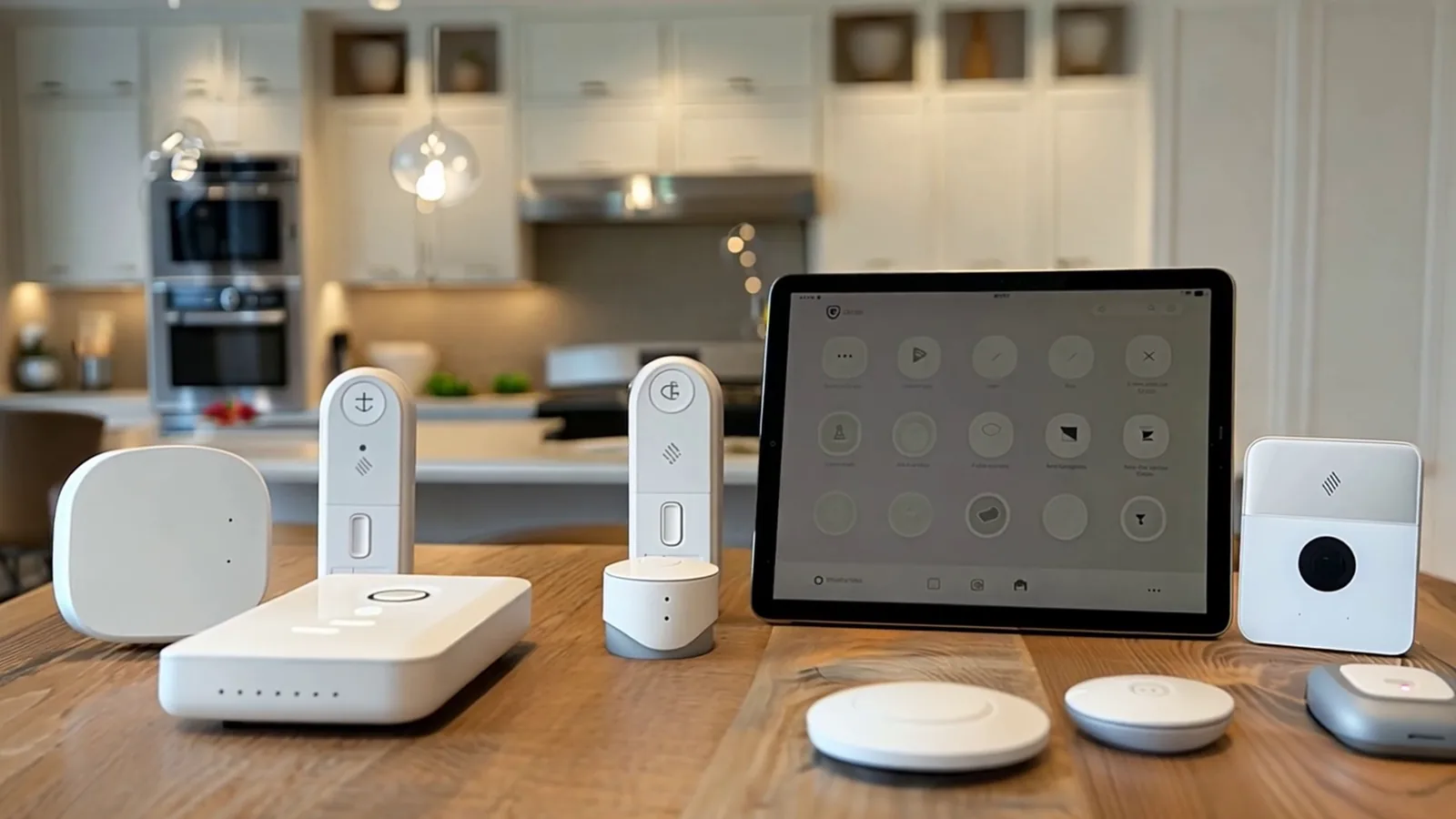
Smart Thermostat Features to Compare: Hive vs Nest
Head-to-head comparison
Overall winner: Nest Learning Thermostat for intelligent automation that truly learns your routine without manual scheduling.
Hive is the better choice for straightforward, app-driven control with a simple physical design, especially if you want a thermostat that works the way you tell it to, not the way it predicts you will.
This comparison is based on product research, official information, public buyer feedback patterns, and editorial analysis. We have not hands-on tested these units side by side, so the assessment reflects documented features and how UK households typically use them.
The deciding trade-off comes down to how you want your heating managed. Nest aims to remove the need for programming altogether by observing your habits, while Hive puts the control firmly in your hands with a more conventional, predictable scheduling system that many users find easier to trust.
Nest Learning Thermostat
- Best fit: Tech enthusiasts who want automation to do the heavy lifting
- Strength: Auto-Schedule learns your routine and builds a heating plan around it
- Trade-off: Premium price and a learning period before it gets things right
Hive Thermostat
- Best fit: Households that prefer predictable, manual scheduling with clear visuals
- Strength: Intuitive app with a simple seven-day timer that's easy for everyone to use
- Trade-off: Lacks the self-learning features that Nest offers
Head-to-Head Scorecard
Nest leads
Hive leads
Short Verdict: Nest vs Hive
If you want a thermostat that builds a heating schedule around your life without you lifting a finger, the Nest Learning Thermostat is the stronger choice. Its Auto-Schedule feature detects when you are home or away, learns your preferred temperatures, and creates an energy-efficient routine over the first week or two.
The Hive Thermostat is the better pick for households that prefer straightforward control. You set a seven-day heating programme in the app, and the thermostat follows it precisely. No guesswork, no learning curve, just your schedule executed reliably. If you have a smart home ecosystem that leans towards Apple HomeKit, Hive integrates natively, whereas Nest requires a separate Homebridge workaround.
Nest vs Hive: Key Differences
The core difference lies in how each thermostat approaches heating schedules.
Nest uses sensors and an algorithm to learn your habits. It notices when you leave the house, when you return, and what temperature you prefer at different times of day. After a week or two, it builds an Auto-Schedule that runs without you programming anything. You can adjust it manually, but the whole point is to make manual programming unnecessary.
Hive is a traditional programmable thermostat with smart features bolted on. You create a heating schedule using the Hive app, choosing different temperatures for different times of day across the week. It does not learn your habits; it simply executes the schedule you set. This makes it more predictable and easier to understand for people who know exactly when they want heating.
The other significant difference is ecosystem compatibility. Hive works with Apple HomeKit, Google Home, Amazon Alexa, and IFTTT. Nest works with Google Home and Alexa, but its HomeKit support requires an additional device like a Starling Home Hub or Homebridge setup. For Apple-centric households, this is a dealbreaker.
Measurement Winners for smart thermostat features to compare
Routine fit winner
Measurement
Routine fit winner
The winner here depends on what kind of routine you live. Nest's Auto-Schedule is designed for people with irregular days — shift workers, parents with changing school runs, or anyone who is not always home at the same time. It picks up on patterns you might not even notice and adjusts temperature accordingly. If you work 9-to-5 Monday to Friday, Hive's simple weekly schedule does the job perfectly well and costs less.
Nest also has a presence sensor built into the unit itself, which detects motion within a few metres. If you walk past the thermostat, it switches from Eco temperature to your preferred comfort setting. Hive has no such sensor, so it relies entirely on the schedule you set or manual overrides from the app.
Wiring compatibility winner
Measurement
Wiring compatibility winner
Most UK homes have a combi boiler with a simple two-wire or three-wire setup. Both thermostats handle this easily. Hive has an edge in installer familiarity; British Gas engineers have fitted hundreds of thousands of Hive units, so most heating engineers know the wiring options without consulting a manual.
Nest requires a professional install if you have a system boiler with separate hot water control. The Nest Thermostat that handles both heating and hot water is the older model, and the newer Nest Learning Thermostat in the UK supports combi boilers natively but needs an additional Heat Link for some system boilers. This adds cost and complexity, which Hive avoids by being a simpler device with broader boiler compatibility out of the box.
Ease of use winner
Measurement
Ease of use winner
The Hive app is widely praised for its clarity. You see a seven-day grid, tap a day, drag a slider to set the temperature, and the schedule updates instantly. It works the same way on your phone, tablet, or web browser. There is no learning curve; if you can set an alarm on your phone, you can program Hive.
Nest's app is more polished visually but involves more unexplained logic. The Auto-Schedule creates temperature points automatically, and if you want to override something, you have to manually adjust the schedule in the app, which can be confusing because the schedule does not stay fixed. The thermostat will keep learning and overwriting your manual changes unless you switch Auto-Schedule off entirely.
Value winner
Measurement
Value winner
Hive Thermostat typically costs less upfront than Nest Learning Thermostat. You are paying for automation and a premium physical design with Nest, but for many households that automation is not worth the extra cost if you already know your heating schedule.
Energy savings potential is similar. Both thermostats can reduce heating bills by around 10-15% according to typical smart thermostat studies, but the actual saving depends on how much heating you were wasting before. Nest's Leaf badge and monthly Energy History reports give you a clearer picture of your consumption patterns, which can help you make better decisions. Hive shows your usage data in the app too, but with less visual flair.
Buyer confidence winner
Measurement
Buyer confidence winner
Both brands have strong reputations in the UK market. Hive is owned by Centrica, the parent company of British Gas, so it has deep integration with UK energy infrastructure and customer service operations. This means you can often get a Hive thermostat fitted by a British Gas engineer with a guarantee on installation.
Nest is part of Google, which brings a robust app ecosystem and regular software updates. However, the HomeKit compatibility gap frustrates some Apple users, and the installation complexity with certain boiler systems can create uncertainty. Public feedback patterns show Hive owners report fewer installation headaches, while Nest owners praise the ongoing software improvements but occasionally mention the learning algorithm being slow to adapt.
Smart home integration winner
Measurement
Smart home integration winner
If you use Apple HomeKit, Hive is the clear winner. It connects natively to HomeKit, meaning you can control your thermostat from the Home app, create automations with other HomeKit accessories, and ask Siri to adjust the temperature. Nest does not support HomeKit natively; you need a third-party bridge like Starling Home Hub, which is an extra purchase and a workaround that does not always work flawlessly.
For Google Home and Amazon Alexa, both thermostats work well. Nest has a slight edge with Google Home because it is a Google product, so voice commands and home automations feel more integrated. If you have a Nest Hub or Nest speakers, the thermostat appears alongside them naturally. Hive works with Google Home and Alexa through the Hive skill, which is reliable but involves enabling a third-party skill in the Alexa app.
Choose Nest If
You want a thermostat that learns your routine and adjusts heating automatically. Choose Nest if you have irregular days, you do not want to programme a schedule manually, and you are comfortable letting an algorithm figure out your preferences. The Nest Learning Thermostat shines in homes where a set schedule would not reflect real life — when you are often out at different times, work from home occasionally, or just want to set a temperature and let the device sort out the rest. You also have a Google-centric smart home and do not mind the higher upfront cost for the premium design and auto-scheduling capability.
Choose Hive If
You prefer predictable, manual control over your heating schedule. Choose Hive if you know your routine well, you want a simple seven-day timer that you set once and forget, and you value installation certainty from a familiar UK brand with broad boiler compatibility. Hive is also the stronger choice if you use Apple HomeKit as your smart home hub, because the native integration makes it a genuinely connected thermostat rather than a standalone gadget. If you are on a budget and want the most reliable, easiest-to-use smart thermostat for the money, Hive is your pick.
Final Verdict: Nest vs Hive
The Nest Learning Thermostat is the more advanced device, but only worth its premium if you actually use the auto-learning features. For households with predictable schedules, the learning algorithm becomes redundant — it just replicates what a manually programmed schedule would do anyway, at a higher price. Hive gives you the same temperature control, remote access, and energy insights for less money, with a simpler user experience.
The decision comes down to your routine complexity and smart home ecosystem. If you are an Apple user with a predictable schedule, Hive is the obvious choice. If you have irregular days and a Google-centric home, Nest earns its premium by actively adjusting to your life. Both thermostats will make your heating more efficient and give you convenient control from your phone; the difference is how much manual input you want to make along the way.
Nest vs Hive: Which Should You Choose? FAQ
Which smart thermostat saves more money on energy bills?
Both the Nest Learning Thermostat and Hive Thermostat can reduce heating bills by roughly 10-15% compared to a manually programmed thermostat, according to typical smart thermostat studies. Nest's Energy History and Leaf notifications give you slightly more detailed feedback on your consumption, which can help you identify waste. However, the actual savings depend on your heating habits — if you already turn the heating down when you are out, you will see less difference with either device.
Can I install a Nest or Hive thermostat myself?
Both thermostats are designed for professional installation, but the difficulty differs. Hive is generally simpler to install because it works with a wider range of UK boiler systems and the wiring is more straightforward. Nest requires a compatible 24V heating system, and some combi boilers need an extra Heat Link component, which adds complexity. We recommend using a qualified heating engineer for either thermostat, especially if you are not confident working with mains-voltage wiring.
Will my existing thermostats wiring work with Nest or Hive?
Most UK homes with a combi boiler will work with both devices, but compatibility depends on your specific heating system. Hive has broader compatibility out of the box and works with system boilers and combi boilers without additional components in most cases. Nest requires a 24V heating system; if you have a system boiler that has a separate hot water tank, you may need the Nest Thermostat model that controls both heating and hot water, which is a different unit to the standard Nest Learning Thermostat.
Which thermostat has better smartphone app support?
Hive's app is simpler and more intuitive for scheduling because it uses a straightforward seven-day grid format. Nest's app is more visually polished but has a steeper learning curve due to the Auto-Schedule feature that can override manual changes. Both apps provide remote temperature control, energy usage data, and a clear indication of when heating is active. If you want an app you can hand to a non-technical family member, Hive is easier to grasp quickly.
Do Nest and Hive work with HomeKit?
Hive works with Apple HomeKit natively, meaning you can control your thermostat through the Apple Home app and Siri without any extra hardware. Nest does not support HomeKit natively; you need a third-party bridge like Starling Home Hub or Homebridge to integrate it. If you have a HomeKit-based smart home setup, Hive is the straightforward choice, while Nest requires a workaround that introduces an additional point of failure.
What is the difference between Nest's learning features and Hive's manual scheduling?
Nest's Auto-Schedule observes your habits over time and creates a heating schedule based on when you are home and what temperature you prefer at different hours. It also has a presence sensor that switches to Eco temperature when you are away. Hive relies entirely on manual scheduling — you set the programme using the app, and the thermostat follows it exactly. Hive does not learn your habits or adjust automatically; it simply executes the plan you create.
Choose Option A If
- You want the stronger default fit after checking the current evidence.
- You care about broader usefulness across the main comparison criteria.
- You prefer the option with clearer decision support for most readers.
Choose Option B If
- Your situation matches Option B's narrower strength more closely.
- You prefer a simpler starting point with fewer tradeoffs to manage.
- You have verified the current details and they fit your specific priority.