Entryway Furniture Guide
A practical step-by-step guide to entryway furniture guide, including preparation, instructions, common issues, tips, and next steps.
Entryway Furniture Guide
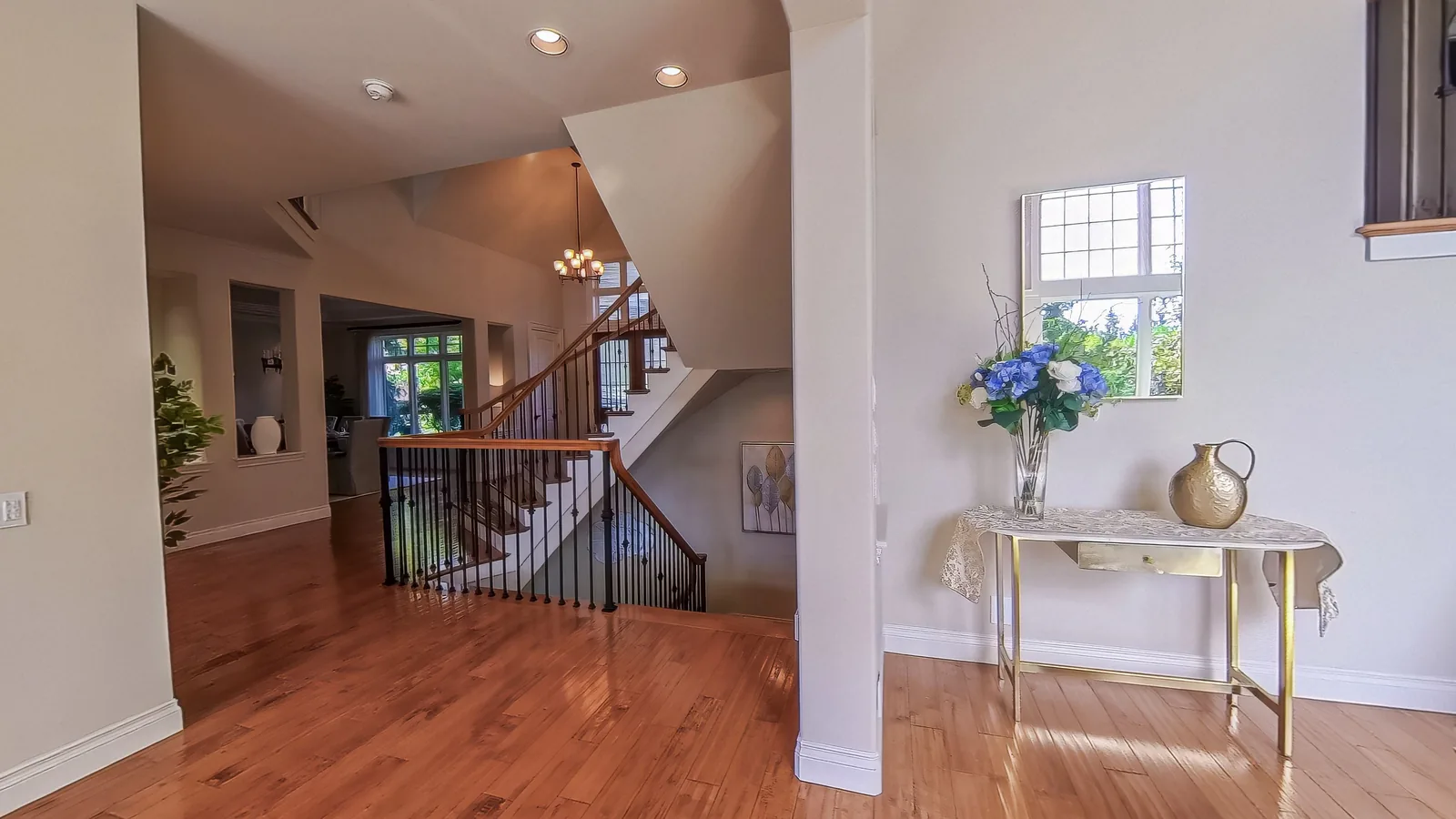
This entryway furniture guide shows you how to choose and arrange practical pieces for a hall, porch, or landing that works hard every day. You will learn how to measure your space, pick the right storage and seating, and avoid common layout mistakes that make a small entryway feel cramped and cluttered. The main caution is to buy furniture that fits your actual hallway width and daily routine, not just what looks good in a showroom.
Fast Answer
- Key habit: Measure your entryway width and depth first, then choose one storage unit, one seat, and one surface.
Before You Start
- Tape measure (at least 3 m or 10 ft long)
- Painter’s tape or chalk to mark floor outlines
- Notepad or phone for sketching your layout
- Door clearance check: make sure furniture does not block the door swing or light switches
- List of daily items you need to store: shoes, coats, bags, keys, pet leads, umbrellas
Step-by-Step Instructions
Measure Your Entryway Thoroughly
Start by recording three numbers for every wall where you might place furniture: the width, the height, and the depth available from the wall to any opposite obstacle. For example, if you have a radiator, a door frame, or a staircase at the other side of the hall, measure the gap precisely so your new furniture does not create a bottleneck.
Note the position of doors, light switches, sockets, and coat hooks. A tall cabinet that covers a light switch becomes an annoyance you will notice multiple times a day. If you have a front door that opens inward, mark how much floor space the door itself takes up when fully open.
Set Your Storage Priorities
List the items you and your household actually bring through the front door on a normal week. For most homes this includes shoes, jackets, school bags, pet leads, keys, and post. Decide which of these need a home at the entry point and which can live elsewhere.
Use that list to choose your primary storage type. If shoes dominate, pick a bench with built-in shoe storage or a narrow shoe cabinet. If coats are the main problem, a freestanding coat rack or a wall-mounted rail will serve you better than another cabinet. This step stops you from buying a pretty console table that looks great but holds nothing useful.
Choose a Seat That Earns Its Space
Seating in an entryway is only worth the floor space if it does additional work. A padded bench with storage underneath gives you a place to sit for tying shoes and a home for footwear inside. A stool that is purely decorative will collect clutter because there is nowhere else for it to go.
Measure the seat height carefully. The bench or stool should be around 45 cm (18 in) high, which is a comfortable height for most adults when putting on shoes. If you have children in the house, look at lower stools or a sturdy step that they can also use to reach coat hooks.
Pick a Surface for Everyday Items
A console table, shelf, or even a slim wall-mounted shelf gives keys, post, and small bags a designated landing zone. Choose a surface depth of about 20–30 cm (8–12 in) if space is limited. Deeper tables encourage piling because there is room to stack objects out of immediate sight.
Add a tray or a shallow dish to the surface. This single tool creates a clear boundary for daily items and makes the whole area look intentional rather than messy. Place the tray near the door side of the surface so you can drop things the moment you enter.
Plan Coat and Outerwear Storage
Coat storage works best on the wall where you naturally take off your coat, not on the opposite wall where you have to cross the hall to hang it up. Measure the available wall height and choose hooks that sit at about 160–170 cm (63–67 in) from the floor for adult use.
If you are renting or do not want to drill into the wall, choose a freestanding coat rack with a wide base. Check that the base is at least 40 cm (16 in) wide so it does not topple over with heavy coats. Allocate one hook per person as a starting point.
Arrange the Layout With a Clear Walkway
Now that you know which pieces you need, arrange them on paper or with tape on the floor. Place the largest storage unit first, then the seating, then the surface. Keep a clear straight path from the front door to the rest of the home.
Leave the space directly inside the door clear of furniture. You need a drop zone of at least 90 cm (3 ft) square just inside the door so two people can swap places or you can put down shopping bags while you close the door. Put furniture to the side of this zone, not directly in front of the door.
Match Furniture Height to the Wall
Look at the wall proportions before you buy. A tall narrow cabinet suits a high-ceiling hallway, while a low bench works better under a window or beneath a row of coat hooks. If you have a low ceiling, keep furniture below 120 cm (48 in) high to make the space feel larger.
For wall-mounted pieces like shelves and hooks, space them with visual balance in mind. Group hooks in a row or cluster rather than scattering them across the wall. Use a level to mark drill points precisely; a slightly crooked rail or hook line will make the whole entryway feel unfinished.
Add Finishing Touches Within Reach
Treat the final layer as a helper, not decoration. A small umbrella stand near the door catches wet items before they drip through the hallway. A wall-mounted mirror lets you check yourself before leaving and bounces light around a dim entrance.
Consider a doormat both outside and inside the door. The outside mat removes mud and grit, and the inside mat catches the fine dust that the outer mat misses. Choose mats with a non-slip backing to keep them in place when people wipe their feet.
Quick Reference
| Situation | Use this | Why |
|---|---|---|
| Narrow hallway less than 90 cm wide | Wall-mounted shelf, hooks, no floor seat | Keeps walkway clear and avoids a cramped feel |
| Many shoes near the door | Bench with built-in shoe storage | Combines seating with concealed storage |
| Coats often left on chairs or bannisters | Coat rail or stand near natural drop-off point | Reduces friction and keeps coats off other furniture |
| Keys and post all over the house | Shallow console with a tray | Creates a single landing zone and prevents piles |
| Small children in the house | Lower hooks and a sturdy stool | Encourages independence and safe reaching |
Common Problems When You Plan Entryway Furniture
Buying furniture before measuring the full swing of doors
Most entryway furniture mistakes come from measuring the wall width but forgetting the door swing, or from checking one door but missing a second one. The fix is to measure every door and window in the hall, then use tape on the floor to mark the full arc each door covers. If a piece blocks any arc, either move it or pick a smaller model.
Choosing storage that does not match your habits
A beautiful cabinet with closed doors looks neat but fails if your household drops keys and bags as soon as they enter. The same cabinet works perfectly if you are happy to open the door every time. Adjust by either adding an open tray on top or choosing a unit that mixes open shelves with closed storage.
Forgetting about the floor and wall condition
Furniture that sits directly on carpet needs floor protectors to sink into the pile. Heavy cabinets on laminate or tile need felt pads to avoid scratches. Wall-mounted pieces need the right fixings for the wall type: plasterboard, brick, or timber. Check the wall material before you drill.
Overcrowding the drop zone
When you squeeze too many pieces into a small hall, the result is a cluttered space that you will constantly trip over or squeeze past. The fix is to limit each wall to one major function: storage on one side, seating or decorative hooks on the other, and nothing in the walkway itself.
Advanced Tips for Your Entryway Setup
If your entryway is large enough, create a defined mudroom zone with a low bench flanked by vertical lockers. This layout works well for families because each person gets a dedicated slot for shoes and outdoor gear, which keeps the rest of the home cleaner.
For very small halls, consider a bench with a lift-up lid that has internal storage. This single piece can replace a shoe rack, a bag store, and a seat, so it earns its footprint three times over. Pair it with shallow wall-mounted shelves above the bench.
Use lighting to make the entryway feel larger. A wall-mounted sconce or a small pendant light draws the eye upward and makes a low ceiling feel higher. Position the light to illuminate the mirror and the tray where you drop keys, so you start and end your day in a well-lit spot.
If you have a very busy entryway with children, add a second lower rail or a set of hooks at child height. This prevents the daily pile of coats on the floor near the door, because even small children can reach their own hooks from an early age.
Entryway Furniture Guide FAQ
Common Issues
If the result is not working as expected, return to the previous step, check the material or setting involved, and make one adjustment at a time for entryway furniture guide.
What is the ideal width for an entryway to have furniture?
You want at least 75 cm (30 in) of clear walkway after the furniture is placed. This gives most adults room to walk comfortably and put on a coat without feeling cramped. For wheelchair users, the clear width needs to be at least 90 cm (36 in).
Should I buy a bench or a chair for my entryway?
A bench is the better choice because it can seat multiple people and usually offers built-in storage underneath. A chair takes up the same floor space but provides less seating and no storage. Choose a bench unless you have a decorative spot that only needs a single seat.
How many hooks do I need for a family of four?
Start with one double hook per person, which gives you two hanging positions for each person’s daily coat. That means four double hooks for a family of four. Add one extra hook for guest coats or reusable shopping bags so you are not swapping them every day.
What is the best material for entryway furniture that gets heavy use?
Solid wood or moisture-resistant materials like sealed plywood or metal work best because they handle damp coats and shoes. Avoid raw particleboard that chips when wet. Pick finishes that are easy to wipe clean, especially for the seat and any surfaces where you drop keys and bags.
Do I really need a console table in a small entryway?
Not necessarily. A wall-mounted shelf with a tray can do the same job without taking up floor space. Use a console table only if you have the width to spare and you want extra storage below it. In a very small hall, the shelf is usually the better choice.
Final Checklist for Your Entryway Furniture Plan
- Measured the clear width and depth of the entryway, including all door swings
- Listed the daily items that need storage at the entry point
- Chosen one main storage unit for the biggest item category
- Added a seat only if the hallway has enough width
- Selected a surface with a tray for keys and post
- Planned coat hooks at the correct height with one hook per person
- Kept a clear walkway of at least 75 cm after moving furniture in
- Checked wall type and fixings before drilling anything
- Added a doormat and umbrella stand for wet weather function
- Set up lighting to make the space feel welcoming and practical