Small Living Room Budget Update Ideas
A practical step-by-step guide to small living room budget update ideas, including preparation, instructions, common issues, tips, and next steps.
Small Living Room Budget Update Ideas
You can refresh a tired small living room without spending a fortune. This guide shows you ten budget-friendly updates that take a weekend or less, using paint, fabric, lighting, and clever rearranging to make the space feel bigger and more inviting. The main caution is to plan each change before you buy anything, so you avoid wasting money on pieces that do not fit or match.
Fast Answer
- Budget range: £50 to £300 for a full refresh
- Time needed: One weekend for most updates
Before You Start Small Living Room Budget Update Ideas
- Tape measure to check furniture sizes and wall lengths
- Paint sample pots (small sizes are cheaper than full tins)
- Fabric for cushion covers or a throw blanket
- Cleaning supplies for walls, skirting boards, and floors
- Basic tools: screwdriver, hammer, spirit level, and wall plugs
- A phone camera to take "before" photos for comparison
- Set a firm budget and stick to it before shopping
Step-by-Step Instructions
Declutter and Deep Clean Everything
Start by removing everything from the room that does not belong there. Take down old wall art, stack books, and clear surfaces. Be honest about what you actually use — if you have not touched an item in a year, consider donating or selling it.
Vacuum under the sofa cushions, wipe down skirting boards, and clean the windows. Dust accumulates on walls and makes them look dull. A clean room instantly feels fresher, and this step costs nothing but your time.
Rearrange the Furniture Layout
Before buying anything new, try moving what you already own. Pull the sofa away from the wall by 10–15 centimetres to create breathing room. Angle chairs toward each other to create a conversation area rather than lining everything against the walls.
Test a few layouts by pushing furniture into position and living with each one for a day. You might discover that swapping the sofa and armchair opens up the room completely. Keep the main walking path clear — you want at least 60 centimetres of space to move around comfortably.
Paint One Feature Wall
A single accent wall costs under £40 in paint and brushes but transforms the whole room. Choose the wall that you see first when you enter, or the one behind your sofa. Pick a colour that complements your existing furniture rather than clashing with it.
Use low-tack painter's tape to protect skirting boards and ceiling edges. Roll on two thin coats rather than one thick coat — thin coats dry faster and look smoother. Leave the tape on until the paint is fully dry, then peel it off at a 45-degree angle for crisp lines.
Refresh Cushions and Throws
New cushion covers and a throw blanket are the quickest way to change the mood of a room. Look for covers in the 45-by-45-centimetre size that fits most standard cushions. Buy two or three covers in a pattern you love, plus one in a solid colour that pulls from the pattern.
Fold a throw over the back of the sofa or drape it over one arm. Choose fabrics that feel good — cotton and linen work well for everyday use, while knitted or velvet textures add warmth. This update typically costs £20 to £60 depending on the fabrics you choose.
Upgrade Lighting with Lamps
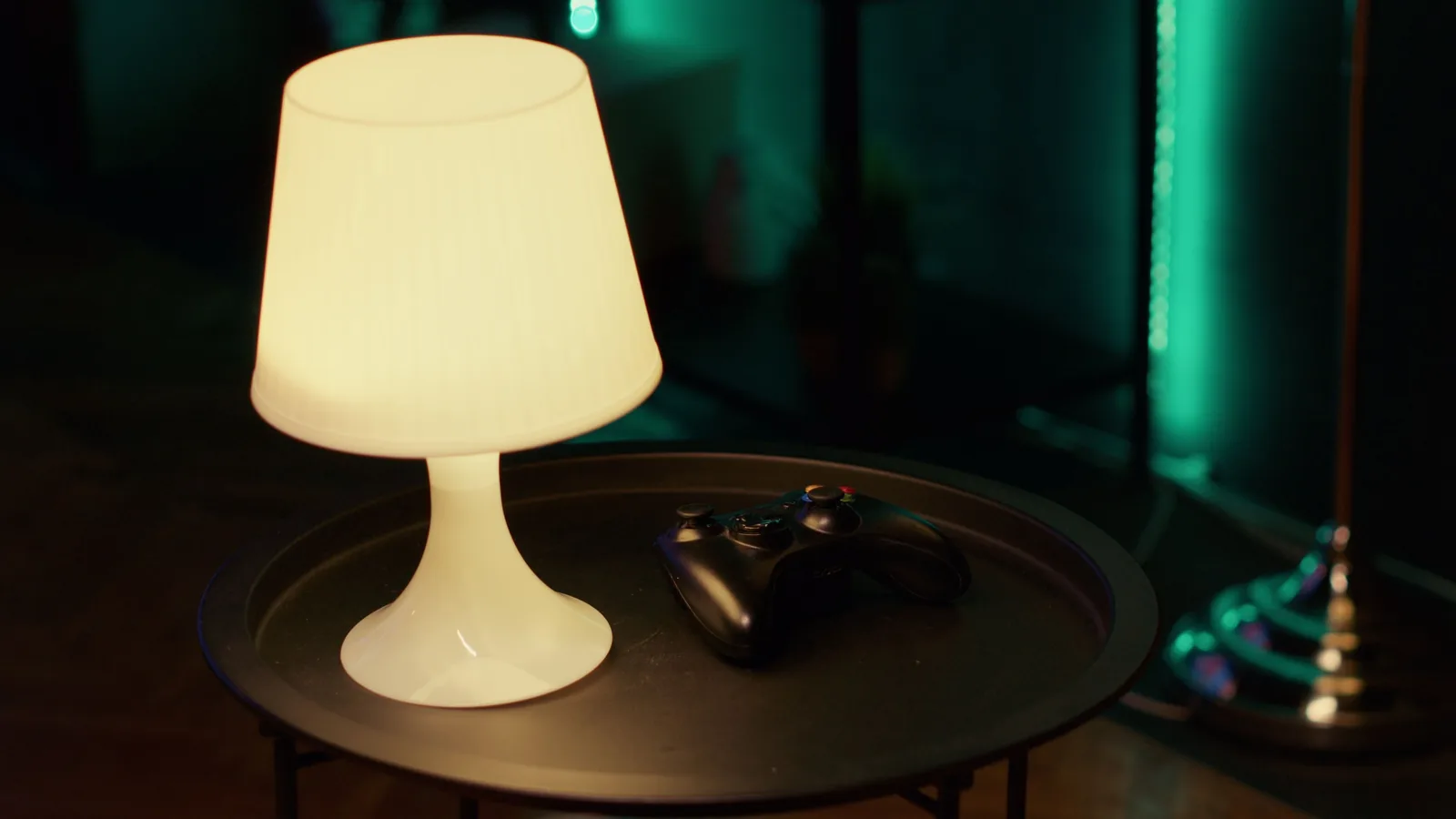
Overhead ceiling lights often feel harsh and flat in small rooms. Add one or two table lamps or a floor lamp to create pools of warm light. Place a lamp on a side table near the sofa for reading, and another on a bookshelf to highlight your favourite items.
Bulbs matter as much as the lamps themselves. Choose warm white bulbs with a colour temperature around 2700K — they make skin tones look natural and rooms feel cosy. Avoid cool white bulbs above 4000K, which make small spaces feel clinical.
Hang Curtains Higher and Wider
Curtains that hang too low or narrow make windows look smaller. Mount the curtain rail 10–15 centimetres above the window frame and extend it 15–20 centimetres beyond each side. This trick makes the window — and the whole room — feel larger.
Choose curtains in a light colour or a subtle pattern. Floor-length curtains that just skim the floor look more polished than ones that end at the sill. If you already own curtains that are too short, add a contrasting fabric panel to the hem for a designer look.
Add a Rug to Define the Space
A rug anchors the seating area and adds texture underfoot. Choose a rug that is large enough for the front legs of your sofa to sit on it — a rug that floats in the middle of the room looks accidental. For a small living room, roughly 160 by 230 centimetres works well for standard sofas.
Look for machine-washable rugs or flatweave styles that are easy to clean. Darker patterns hide spills better than pale solids, which matters if you eat or drink in the room. A rug is often the biggest single purchase in this guide, so compare prices at a few retailers before committing.
Create a Gallery Wall with Budget Frames
Empty walls make a room feel unfinished. Gather artwork, photos, and even fabric swatches to create a gallery wall. You do not need expensive frames — mix thrifted frames with basic ones from discount stores and spray-paint them the same colour for a cohesive look.
Lay everything out on the floor first to plan the arrangement. Keep 5–8 centimetres between each frame for balance. Start from the centre and work outward, using a spirit level to keep frames straight. This project costs anywhere from £15 to £50 depending on what you already have.
Add Greenery with Low-Maintenance Plants
Plants bring life and colour to a small room without breaking the budget. Choose low-maintenance varieties like snake plants, pothos, or spider plants that tolerate lower light and irregular watering. These cost £8 to £15 each at most garden centres.
Group two or three plants of different heights together on a windowsill or side table. Use pots that match your room's colour scheme — simple terracotta or ceramic pots work well. If you have a dark corner that suits no plant at all, consider a tall dried grass arrangement instead.
Swap Hardware on Furniture and Doors
New handles and knobs update tired furniture instantly. Change the pulls on a chest of drawers, cabinet doors, or even your internal doors. Brushed brass, matte black, or chrome finishes can completely change the character of a piece.
Measure the distance between existing screw holes before buying replacements — standard spacing is 64 millimetres or 128 millimetres, but sizes vary. Most handles cost between £2 and £8 each, so updating six handles on a sideboard comes in under £50. Use a screwdriver to swap them out in under an hour.
Quick Reference
| Situation | Use this | Why |
|---|---|---|
| Walls look dull but you dread painting | Wipe down with a damp cloth first | Many marks wash off without needing paint |
| Room feels cramped and crowded | Pull furniture away from walls | Creates flow and makes the space feel bigger |
| Overhead light feels harsh | Add warm white table lamps | 2700K bulbs create a softer, cosier mood |
| Windows look smaller than they are | Hang curtains wider and higher | Opens up the visual space of the room |
| Furniture looks dated | Swap the handles and knobs | Changes the whole look for under £50 |
Common Problems When You Update a Small Living Room on a Budget
You Run Out of Money Midway Through
Budget creep happens when you buy items one by one without tracking the total. Write down every purchase, including tape, paint brushes, and cleaning sprays. If you hit your limit, stop and live with what you have done for a month before buying more.
The Paint Colour Looks Wrong Once Applied
Paint dries darker or different than it looks on the swatch card. This is why testing on a small patch first is non-negotiable. If the paint is already on the wall and you hate it, wait 48 hours — some colours shift as they cure. If you still hate it, buy a tester pot of white and do a patch test before repainting.
Furniture Does Not Fit Through the Door
Always measure doorways, stairwells, and lifts before buying large items. Compare the width and height of the item against your narrowest doorway. Many retailers list dimensions online — check the specification sheet before adding to basket.
Rugs Slip and Become a Trip Hazard
A rug without a pad shifts underfoot, especially on hard floors. Buy a non-slip rug pad that is slightly smaller than the rug itself. This also protects wooden floors from scratches.
The Room Looks Cluttered Again Within a Week
Clutter returns when everything lacks a designated home. Allocate a tray or basket for remote controls, keys, and magazines. Before buying decorative objects, ask yourself what job they do — if the answer is "nothing", leave them at the shop.
Advanced Tips for Small Living Room Budget Updates
Use Paint to Create Architectural Interest
Beyond a single feature wall, paint a ceiling a slightly lighter shade of your wall colour to make the room feel taller. Or paint the skirting boards and door frames in a contrasting white to make them stand out. These details cost the same as regular painting but look deliberate and custom.
Build a Window Seat from a Storage Bench
If your room has a bay window or a deep sill, add a storage bench that doubles as seating and toy or blanket storage. A simple wooden bench with a cushion costs less than a new armchair and adds function to unused space.
Layer Lighting at Three Heights
Professional designers light a room at three levels: overhead for general light, mid-height for reading or tasks, and low-level for mood. Add a small floor lamp behind a plant or a low table lamp on the mantelpiece. This layering makes even basic furniture look styled.
Borrow Colours from Your Soft Furnishings
When choosing paint or accessories, pull colours directly from your rug or curtains. This ensures everything coordinates without you having to make complicated decisions. Most rugs contain two or three key colours — work with those rather than introducing new ones.
Small Living Room Budget Update Ideas FAQ
Common Issues
If the result is not working as expected, return to the previous step, check the material or setting involved, and make one adjustment at a time for small living room budget update ideas.
How much does it cost to update a small living room on a budget?
A thorough refresh — including paint, cushions, lighting, a rug, and hardware — typically costs between £150 and £300. A minimal update with just paint and new cushion covers can be done for under £80.
What makes a small living room look bigger?
Light colours on walls, furniture pulled away from walls, curtains hung higher than the window frame, and mirrors placed opposite windows all create the illusion of more space. Reducing clutter on surfaces also makes the room feel more open.
What is the most impactful cheap update?
Rearranging your existing furniture and deep cleaning cost nothing and can have the biggest visual impact. After that, painting a feature wall changes the whole atmosphere for under £40.
How long does each update take?
Most individual updates take between 30 minutes and 3 hours. A full room refresh spread across a weekend is realistic if you let paint dry overnight and take breaks between tasks.
Can I update my living room without painting?
Yes. Focus on textiles, lighting, rugs, wall art, and hardware changes. These updates transform the room without any paint or DIY skill beyond using a screwdriver.
Final Checklist for Small Living Room Budget Updates
- Measure the room, doorways, and any furniture you plan to buy
- Set a clear budget and track every purchase
- Declutter and deep clean before spending anything
- Rearrange existing furniture before buying new pieces
- Test paint colours with sample pots before committing
- Buy cushion covers and throws that coordinate with existing fabrics
- Add warm lighting with lamps or dimmer switches
- Hang curtains wider and higher than the window frame
- Anchor the seating area with a rug and non-slip pad
- Create a gallery wall with frames you already own
- Add low-maintenance plants that suit your light levels
- Swap furniture handles for an instant refresh
Start with the steps that cost nothing — decluttering and rearranging. Then work through the list in order of impact versus cost. Most readers find that the first three updates already make the room feel noticeably different, and the remaining steps are about adding polish and personality. The whole project should take one weekend and leave you with money in your pocket compared to buying new furniture.